
The feeling of sharp pain when drinking a hot drink It is a common experience for many people. Coffee, infusions or broths They can cause an immediate response in the teeth that is perceived as a brief, intense whiplash. This reaction, known as tooth sensitivityis not a disease in itself, but it is a warning sign about the state of the enamel and the tissues that protect the nerve.
The key to this phenomenon lies in dentin, the layer beneath the enamel. This structure contains thousands of microscopic tubules that connect to the dental pulp, where the nerve endings are located. When the enamel wears away or the gum recedes, These channels are more exposed and react more intensely to thermal stimuli.generating a nervous signal that the brain interprets as pain.
As Antonio Longo, from the Sanitas Care and Clinical Quality team, explains: “Tooth sensitivity does not appear suddenly. It is usually the result of a sum of factorsamong which the progressive wear of the enamel, excessively aggressive brushing or certain incorrectly indicated aesthetic treatments stand out. Sudden changes in temperature act as a trigger when the tooth’s protective barrier is already compromised. It is important to highlight that the perception and degree of discomfort vary significantly between individuals, since susceptibility to Sensitivity depends on unique dental anatomy and nerve response threshold of each person.”
The rapid thermal contrast intensifies the discomfort. Switching from a cold drink to a hot one, or inhaling cold air immediately after consuming high-temperature liquids, subjects the tooth to repeated processes of expansion and contraction. This imbalance favors the activation of the dentinal tubules and increases pain perceptioneven in people without obvious oral pathologies.
Food also plays an important role. In this sense, the habitual intake of acidic foods and drinks, such as citrus fruits, soft drinks or vinegar, can progressively weaken the outer layer of the tooth. Added to this is the habit of brush right after consuming these productsa practice that is not recommended, since the enamel is especially vulnerable at that time.
In this context, Longo points out that “It is not just about what is consumed, but how and when it is done. Continued exposure to very acidic foodsespecially outside of main meals, can increase the risk of enamel wear. Respect waiting times, between 20 to 30 minutes“, before brushing and maintaining a balanced diet helps protect the tooth structure and reduce the likelihood of sensitivity.”
From the point of view of prevention, there are Simple measures that can make a difference:
• The use of toothpastes formulated for sensitive teeth It helps to seal the dentinal tubules.
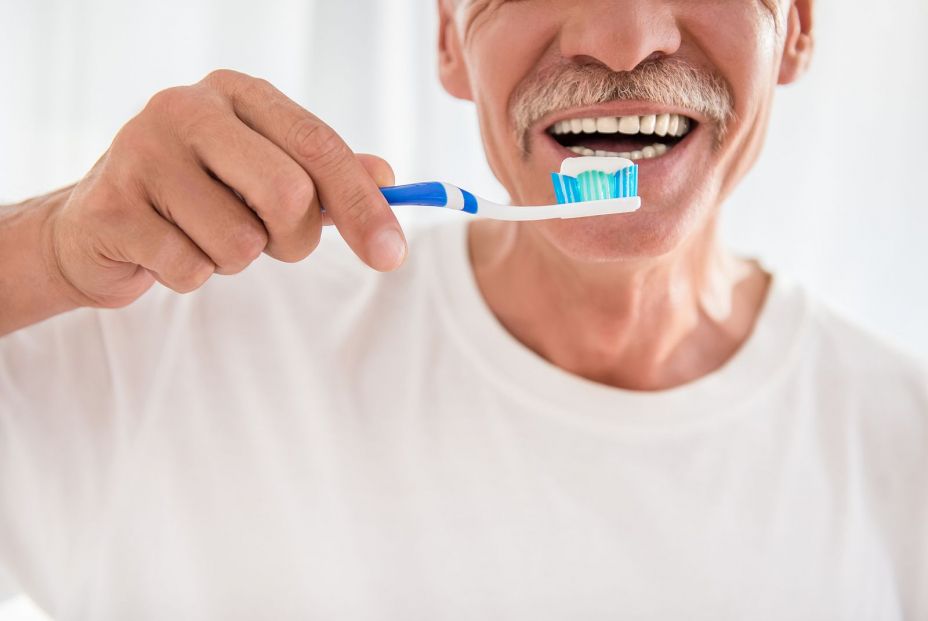
• It is recommended to opt for soft bristled brushes and apply a careful hygiene techniquewithout applying excessive pressure.
• Visit the dentist regularly It allows early detection of gum recession, the appearance of cavities or advanced enamel wear.
• In cases of bruxismdental evaluation facilitates the adoption of protective measures aimed at preserving dental structure.


